Turn Your Living Room Into a Playful Language Studio

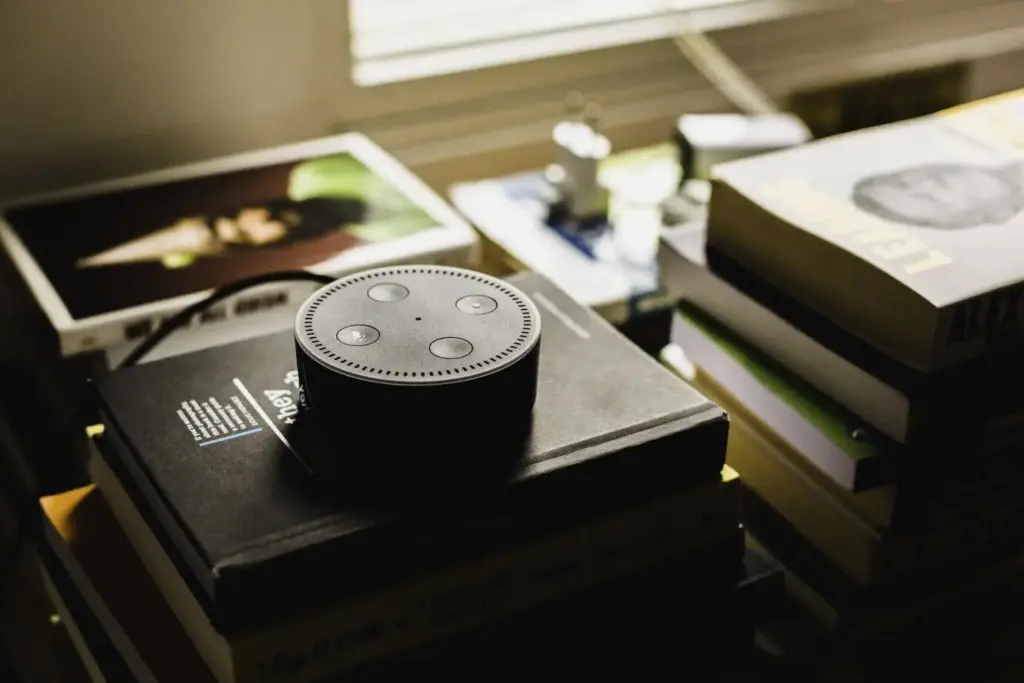
Today we dive into gamified language practice using voice assistants in the living room, turning couches, coffee tables, and everyday moments into energizing speaking challenges. With Alexa, Google Assistant, or Siri responding instantly, you can build streaks, earn points, and invite family into friendly rounds that boost confidence, pronunciation, and recall. Join our experiments, try the sample routines, and share victories or hiccups in the comments so we can evolve smarter games together.

Why the Living Room Works

This welcoming space naturally supports consistent speaking practice because it is visible, comfortable, and shared. Far‑field microphones hear you from the sofa, ambient objects inspire prompts, and social accountability gently nudges follow‑through. We have seen families anchor five‑minute sessions after tea and roommates run spontaneous weekend tournaments. Tell us how your room is arranged, and we will help personalize position, prompts, and lighting feedback for better results.

Points, Streaks, and Tiny Wins

Award points for correct responses, bonus points for first‑try pronunciation, and extra credit for complete sentences. Protect motivation with streaks that survive missed days by offering a gentle recovery challenge. Celebrate cumulative milestones with short audio fanfares or colored light flashes. Share your scoring template, and we will publish community leaderboards, sample calculators, and downloadable cards to standardize points across different households and devices.

Quests and Living‑Room Scavengers

Create quests that send learners around the room naming objects, describing textures, or inventing mini‑stories about items on the bookshelf. Voice assistants verify vocabulary and prompt follow‑up questions. Add time limits for intensity or cooperative roles for collaboration. Document your favorite quest routes and object lists, and we will compile a seasonal pack featuring holiday decorations, plants, and everyday tools that help sustain novelty and memory encoding.

Boss Rounds and Time Trials

Introduce a weekly boss round with tongue twisters, minimal pairs, or tricky sentence stress under a friendly countdown. Use auditory cues to start and end attempts, and save best times on a family scoreboard. Rotate challenge categories so strengths do not mask gaps. Tell us which boss mechanics feel fair or frustrating, and we will offer calibrated difficulty ladders that keep pressure productive rather than overwhelming.

Pronunciation Power With Instant Feedback

Voice assistants reward clarity by recognizing well‑formed sounds, yet they sometimes mishear accents or noisy speech. Turn glitches into guidance: slow down, chunk syllables, and emphasize stress patterns. Practice shadowing and minimal pairs, then escalate to spontaneous utterances. Use repetition until recognition becomes reliable. Record your before‑after samples and leave reflections so the community can learn effective recovery strategies together.

Shadowing With Smart Speakers

Ask the assistant to read a sentence, then immediately mimic its rhythm, pitch, and timing. Repeat in shorter chunks if needed, gradually speeding up while retaining clarity. Place the speaker slightly off‑axis to reduce feedback loops. When comprehension lags, switch to slower rate options. Share audio snippets or observations about what finally clicked for you, and we will aggregate patterns that accelerate progress.

Minimal Pairs and Tongue Twisters

Contrast sounds like ship versus sheep or rice versus lice to train vowel and consonant control. Have the assistant prompt pairs randomly, then record your repetition to test recognition consistency. Finish with playful tongue twisters that exaggerate target sounds without strain. Report which pairs the assistant confuses most, and we will publish corrective drills and sequencing tips to stabilize articulation under everyday conversation speeds.

Feedback Loops That Motivate

Tie correct recognition to tiny celebrations, such as a brief victory sound, dimming lights, or a sticker on a physical chart. After three misrecognitions, pause and reframe with an easier prompt rather than pushing through frustration. End sessions on a success. Describe your reward system and how it affects mood, and we will share research‑informed refinements that sustain effort through plateaus.

Play Together: Families, Roommates, Guests

Co‑op Modes for Busy Evenings

Rotate roles: one person listens, another speaks, and a third paraphrases. The assistant verifies key words and intonation markers while everyone stays active. Keep rounds brief to fit dinner clean‑up or homework pauses. Add a simple shared quest—like naming five objects—so even tired participants contribute. Share your co‑op scripts and timeboxes, and we will compile plug‑and‑play templates that slide into hectic schedules.

Friendly Rivalries That Stay Kind

Competition works when it highlights effort rather than perfection. Use weighted scoring that rewards improvement, not only accuracy. Offer jokers—one per session—to reroll a tough prompt without penalty. Encourage cheering responses to reduce self‑consciousness. Post your house rules that balance spark and support, and we will showcase an evolving catalog of fair‑play mechanics that keep nerves calm and laughter loud.

Kids’ Safety and Inclusivity

Enable kid‑friendly settings, restrict purchases, and prefer prompts that avoid personal data. Keep difficulties short, use vivid topics, and let children act out verbs for kinesthetic memory. Rotate accents so all voices feel welcome. Invite grandparents or guests to model patience and curiosity. Share your safeguards and playful content ideas, and we will assemble a family‑first checklist that respects privacy while inspiring fearless speaking.

Anchor Moments You Already Have

Identify predictable moments—pouring tea, feeding a pet, or sitting down after dinner—and attach a single speaking challenge to each. Keep the first step effortless, like repeating one phrase or answering one question. Let visual reminders nudge action. Share your chosen anchors and any snags, and we will help refine triggers, timing, and rewards until your routine practically runs itself.

Design a One‑Week Pilot

Plan seven concise sessions with varied modes—shadowing Monday, vocabulary quest Tuesday, pronunciation boss Wednesday—and gather quick reflections afterward. Keep rules stable to isolate what truly works. End the week with a celebratory round. Post your schedule and outcomes, and we will feature community pilots, offering calibrated next‑step plans that stretch ability without overwhelming your time or energy.

Measure What Matters

Track inputs you control—minutes spoken, attempts made—alongside outputs like assistant recognition rate and sentence length. Add qualitative notes about confidence and enjoyment. Review data weekly to adjust difficulty and content mix. Tell us your favorite dashboard format, and we will share printable charts and simple templates that keep numbers helpful, humane, and focused on real conversational progress.

Setup, Privacy, and Tools

A thoughtful setup amplifies progress and protects data. Place devices away from TVs to reduce noise, adjust speech rate for clarity, and enable multi‑user profiles for fairness. Explore interpreter or translation features, and test kid controls. Mute microphones during private chats. Comment with your hardware and preferences, and we will craft device‑specific tips, sample routines, and privacy checklists for different households.
Ozbilirsap
Privacy Overview

This website uses cookies so that we can provide you with the best user experience possible. Cookie information is stored in your browser and performs functions such as recognising you when you return to our website and helping our team to understand which sections of the website you find most interesting and useful.