Learning Out Loud: Inclusive Voice-First Adventures for Young Minds

Today we explore inclusive voice-first learning activities for children with visual impairments, turning sound, speech, and careful listening into powerful pathways for growth. Expect practical ideas, heartfelt stories, and realistic tools that welcome every child to participate fully. Share your experiences in the comments, suggest new challenges you want tested, and subscribe to keep receiving playful, accessible strategies that celebrate capability, curiosity, and joyful discovery.

Quiet Zones and Friendly Acoustics

Small changes make a big difference: soft rugs, curtains, and felt boards calm echoes, while strategic furniture placement dampens distractions. A child who struggled to follow directions in a bustling corner often succeeds in a calmer sound pocket. Try testing noise levels at different times of day, and invite children to describe which spaces feel easiest to hear and why.

Speaker and Microphone Placement

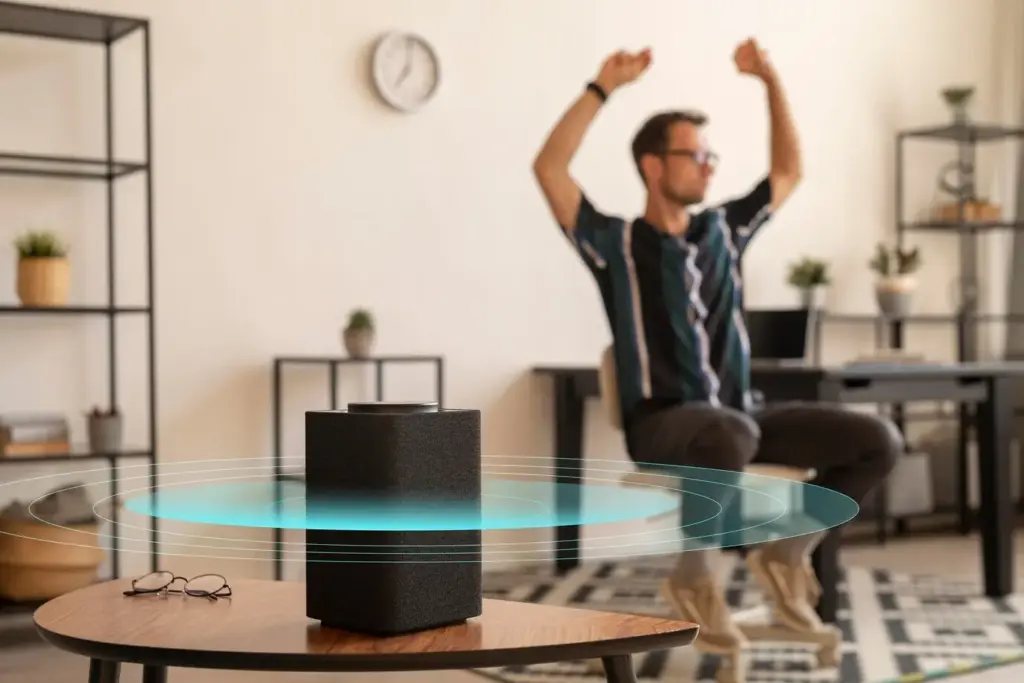
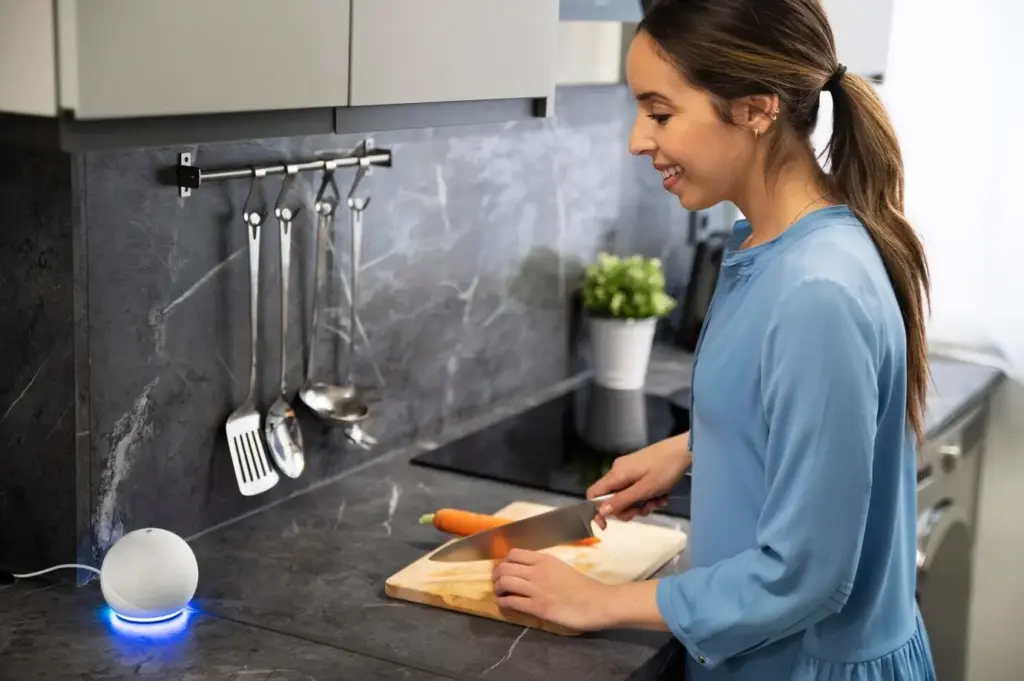
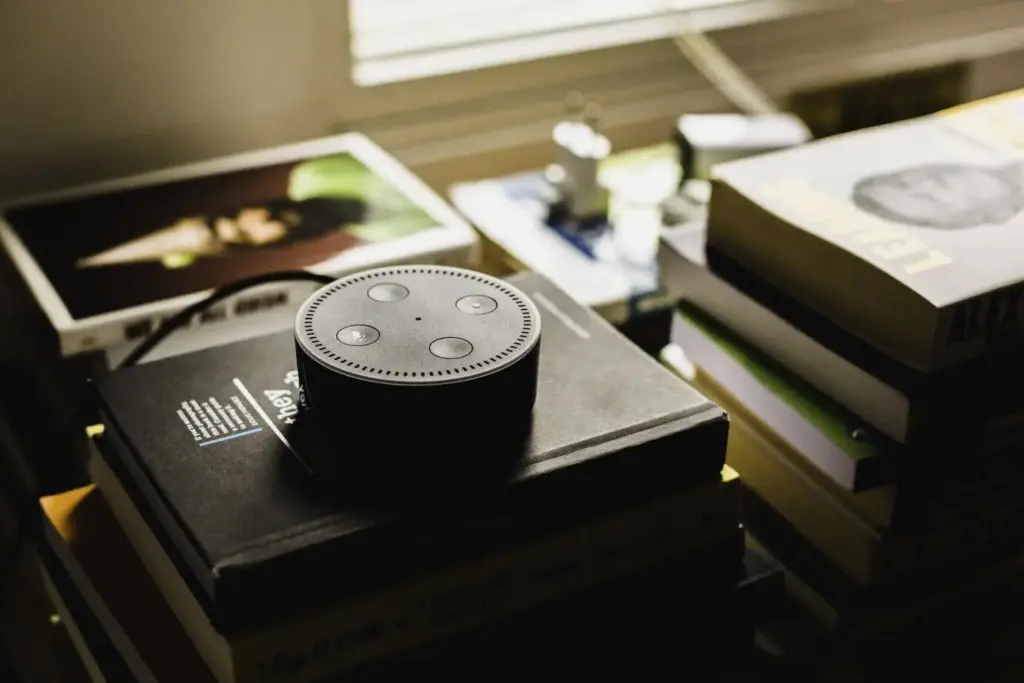
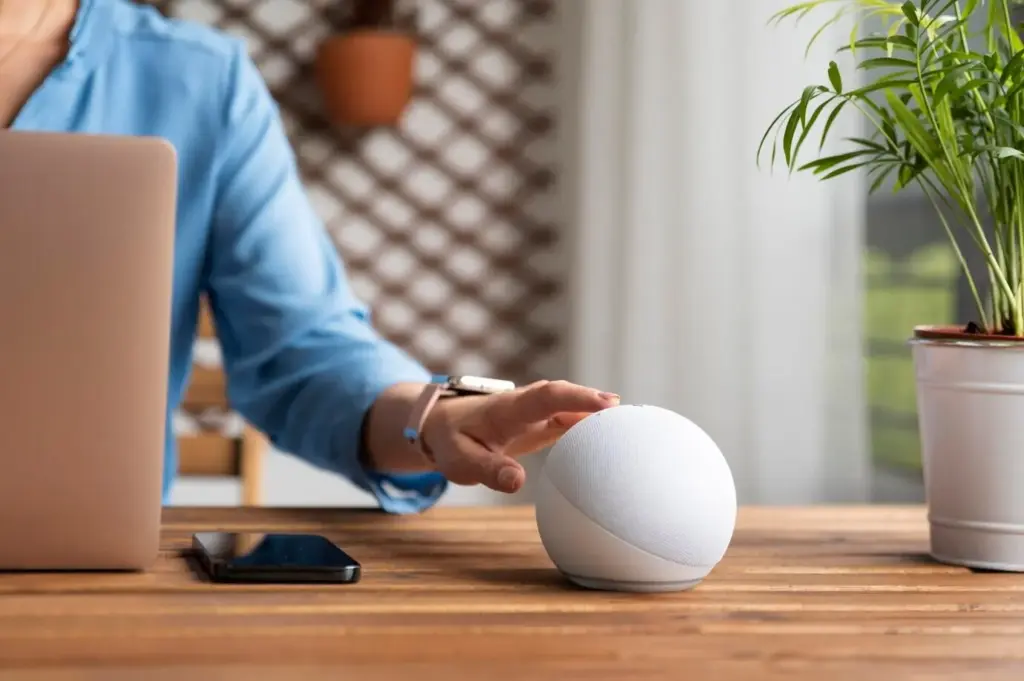
Clear input and output transform comprehension. Place smart speakers away from walls to reduce muffling, and position microphones at mouth level for consistent capture. During a group activity, rotate the speaking device toward the child who is talking. Encourage turn-taking with gentle audio chimes, and use short wake words so children can initiate interactions independently and confidently.

Shared Routines with Choice

Consistent routines build security, but choice builds agency. Offer voice menus for morning activities, letting a child say, “Start songs,” “Practice letters,” or “Tell a riddle.” Combine spoken prompts with tactile choices, like textured cards representing options. When children choose, they listen more closely, anticipate steps, and associate voice interactions with collaboration, not control.
Growing Language and Literacy Through Conversation

Conversation-rich experiences spark vocabulary growth, comprehension, and playful experimentation with words. Voice assistants, read-aloud apps, and recorded stories can be paired with tactile graphics or braille to strengthen meaning. With thoughtful scaffolds, children practice asking questions, summarizing ideas, and retelling events through speech, building confidence that carries into classrooms, family dialogues, and independent exploration.

STEM You Can Hear and Touch

STEM learning comes alive through listening, speaking, and hands-on exploration. Audio instructions simplify complex steps, while tactile materials anchor abstract concepts. Children compare sounds, count beats, and describe patterns aloud, constructing solid understanding that does not depend on visual cues. With accessible tools and clear voice guidance, scientific curiosity becomes joyful, safe, and genuinely empowering.

Navigating the World with Sound and Confidence

Orientation and mobility benefit from careful listening and structured practice. Sound mapping, predictable cues, and gentle coaching turn daily paths into understandable narratives. Children learn to notice echoes, distance, and direction, linking words like left and right to meaningful anchors. With patience and repetition, confident movement grows, supporting independence in classrooms, hallways, playgrounds, and homes.

Friendship, Play, and Emotional Expression

Voice-first activities create inclusive social spaces where collaboration, humor, and empathy thrive. Cooperative audio games encourage turn-taking and fairness; storytelling circles invite feelings without pressure to maintain eye contact. Children learn to listen for tone, celebrate differences, and speak up kindly, building friendships anchored in respect, warmth, and joyful, shared creativity.

Measuring Progress, Privacy, and Participation

Assessment can be humane, accessible, and genuinely useful when it respects voice as a valid demonstration of learning. With careful consent, audio portfolios capture growth over time while protecting privacy. Transparent expectations, student reflection, and collaborative goal-setting ensure children feel ownership of progress, not surveillance, creating momentum that sustains curiosity and independence.
Ozbilirsap
Privacy Overview

This website uses cookies so that we can provide you with the best user experience possible. Cookie information is stored in your browser and performs functions such as recognising you when you return to our website and helping our team to understand which sections of the website you find most interesting and useful.