Voices, Clues, and Laughter: Family Scavenger Adventures
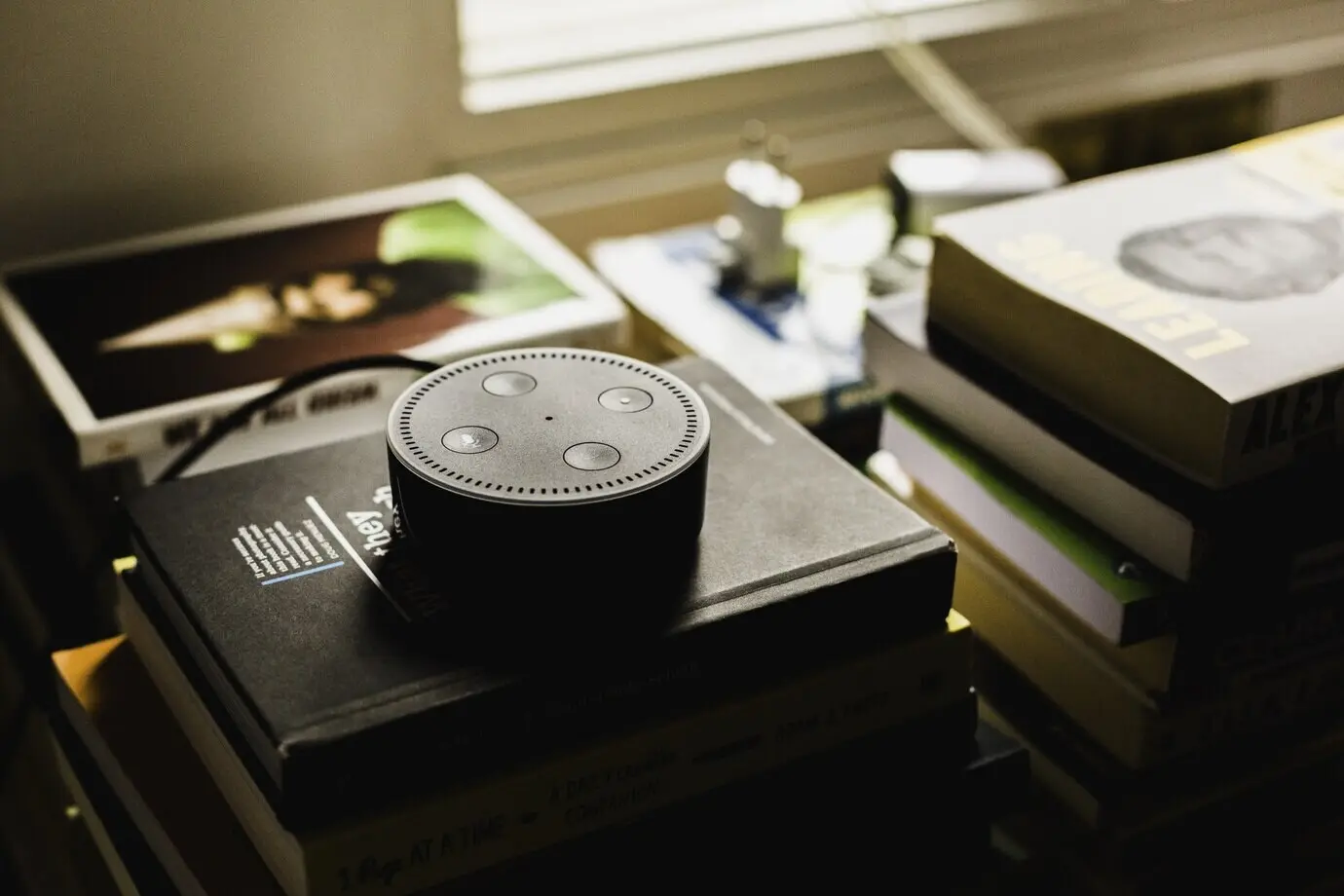
Join us as we design voice-guided scavenger hunts for family learning, blending play with purposeful discovery. Expect practical frameworks, real anecdotes, and ready-to-use prompts that turn kitchens, parks, and museums into classrooms where grandparents, parents, and kids explore together, reflect, and celebrate shared curiosity.

Start with Purpose and People

Before recording a single clue, anchor your experience in clear outcomes and real families. Consider motivations, energy levels, schedules, accessibility needs, and cultural contexts. A hunt crafted around people’s lived realities becomes a joyful bridge between play, knowledge, and connection across generations.

Learning Goals That Spark Curiosity

Define goals that are specific yet flexible, like exploring local history, practicing observation skills, or building vocabulary around nature. Translate each goal into observable actions prompted by voice. If success looks like conversation afterward, design moments that invite storytelling, questions, and gentle debate among family members.

Personas Across Generations

Sketch quick personas: an energetic five-year-old, a reflective teen, a busy parent, and a storytelling grandparent. Imagine how each listens, speaks, and collaborates with a voice assistant. Balance attention spans, comfort with technology, and interests so everyone contributes meaningfully, feels heard, and leaves with a memorable win.

Contexts and Constraints

List where the hunt will happen—living room, garden, library, or neighborhood—and note rules, noise levels, and time windows. Consider connectivity, device availability, and weather. Constraints are creative catalysts; they shape clue length, pacing, and the blend of spoken guidance with tactile discovery and reflective pauses.

Designing Voice Clues That Teach

Craft clues that invite listening, imagining, and doing. The best prompts nudge attention toward patterns, relationships, and stories, not mere objects. Use rhythm, repetition, and friendly warmth. Layer subtle educational content inside playful language so discovery feels earned, delightful, and worth discussing after the final reveal.

Technology Choices That Keep Magic Flowing

Select tools that serve the experience, not the other way around. Match device capabilities with your design: microphones, wake words, offline support, and household privacy preferences. Favor reliability and clear audio so attention stays on collaboration, clues, and discoveries rather than troubleshooting or confusing interfaces during play.

Choosing Assistants and Devices

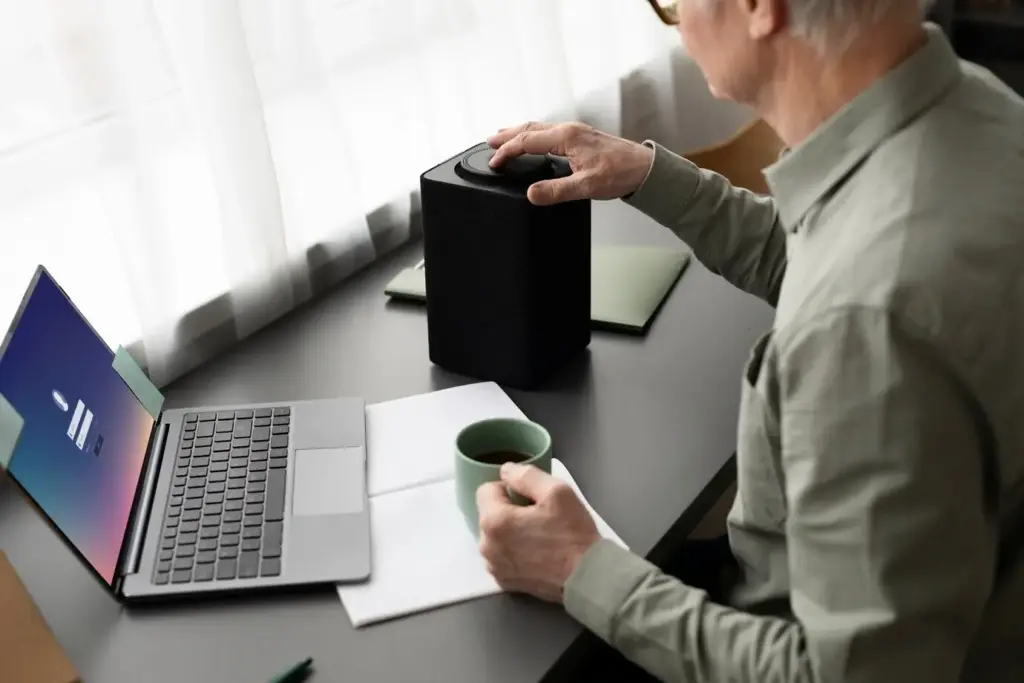
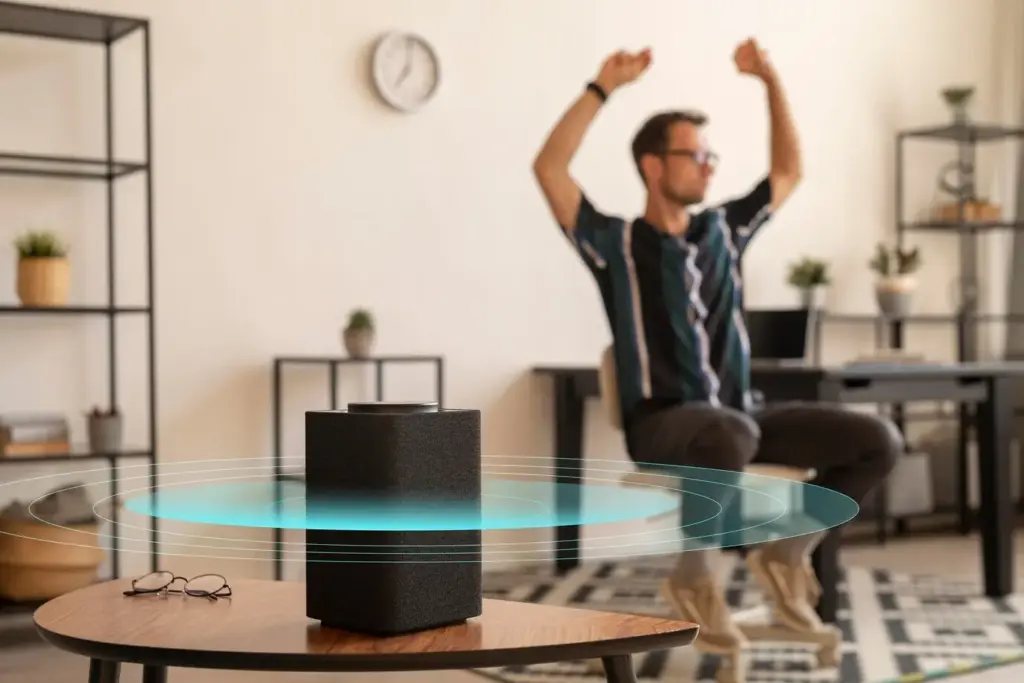
Compare smart speakers, phones, and wearables for mobility, volume, and ease of use. In a museum, personal phones with earbuds may feel intimate; at home, a shared speaker encourages group listening. Consider child-friendly controls, durable cases, and simple reset phrases that reduce friction during high-energy moments.

Authoring Tools, NLU, and TTS

Use authoring platforms with natural language understanding and expressive text-to-speech. Test multiple voices and speaking rates to match mood and age range. Map intents for asking hints, repeating lines, or pausing. Keep conversation flows simple, with clear confirmation prompts that prevent accidental skips or unintended resets.

Offline Resilience and Fallback Plans

Prepare for dropouts by caching key audio, printing minimal backup cards, or offering SMS-based hints. Provide a manual mode: a facilitator reads lines if devices fail. Families should keep playing without stress, turning glitches into improv moments rather than momentum-breaking frustrations or abrupt endings.

Physical Safety and Supervision

Avoid clues that prompt running near roads, climbing unstable furniture, or handling hazardous items. Encourage buddy rules, indoor voices in public spaces, and frequent regrouping prompts. Remind participants to look up from devices and check surroundings. Safety responsibly amplifies fun by keeping energy directed toward discovery, not risk.

Privacy by Design

Collect only what improves the experience, like anonymous completion time or hint usage. Offer clear consent steps and easy data deletion. Store nothing unnecessary. Use local processing where possible. Families should feel they control their story, not the other way around, fostering trust and repeat participation across sessions.

Universal Design and Neurodiversity

Provide alternative input options, adjustable speaking speed, captions or transcripts, and tactile elements for sensory balance. Offer visual icons alongside spoken directions. Celebrate different communication styles and pacing preferences. When every participant can engage authentically, collaboration deepens, and the hunt becomes a welcoming stage for collective strengths.

Playtesting and Iteration with Real Families
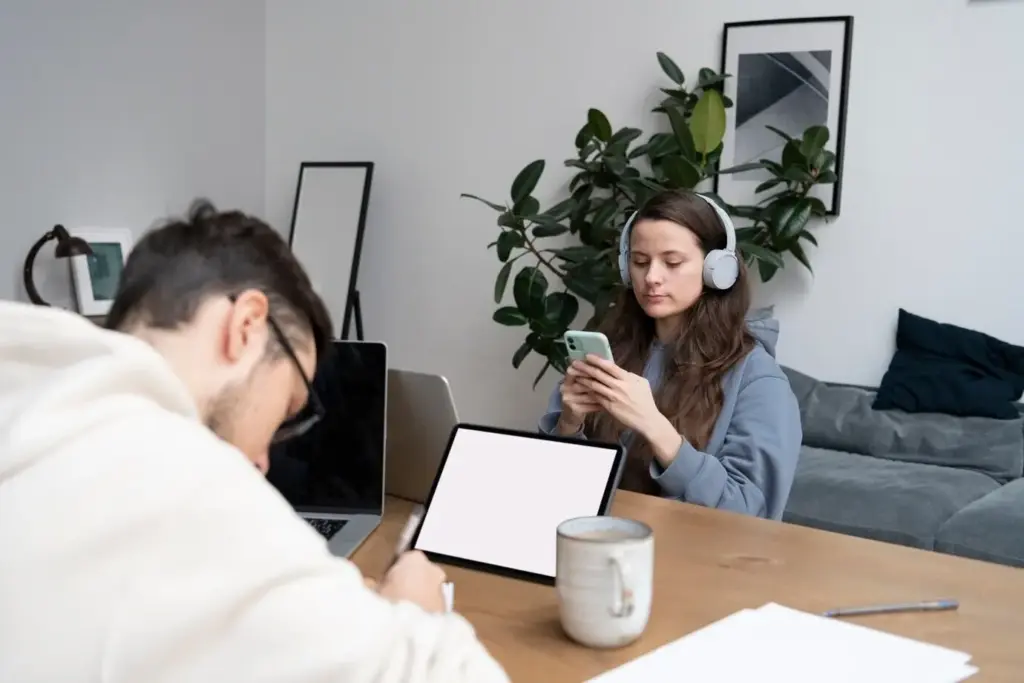
Treat each run as a conversation with your audience. Observe where attention drifts, laughter spikes, or confusion lingers. Invite kids to suggest new lines and elders to refine pacing. Iteration transforms average moments into memorable breakthroughs that families want to share and revisit together repeatedly.

Content, Routes, and Puzzle Patterns

Build journeys that weave story, place, and skill. Mix observation, classification, and recall challenges with gentle physical tasks. Rotate between short and reflective moments. Tie everything to a narrative arc that rewards curiosity, humor, and teamwork, culminating in a shared reflection that reinforces learning and belonging.
Ozbilirsap
Privacy Overview

This website uses cookies so that we can provide you with the best user experience possible. Cookie information is stored in your browser and performs functions such as recognising you when you return to our website and helping our team to understand which sections of the website you find most interesting and useful.