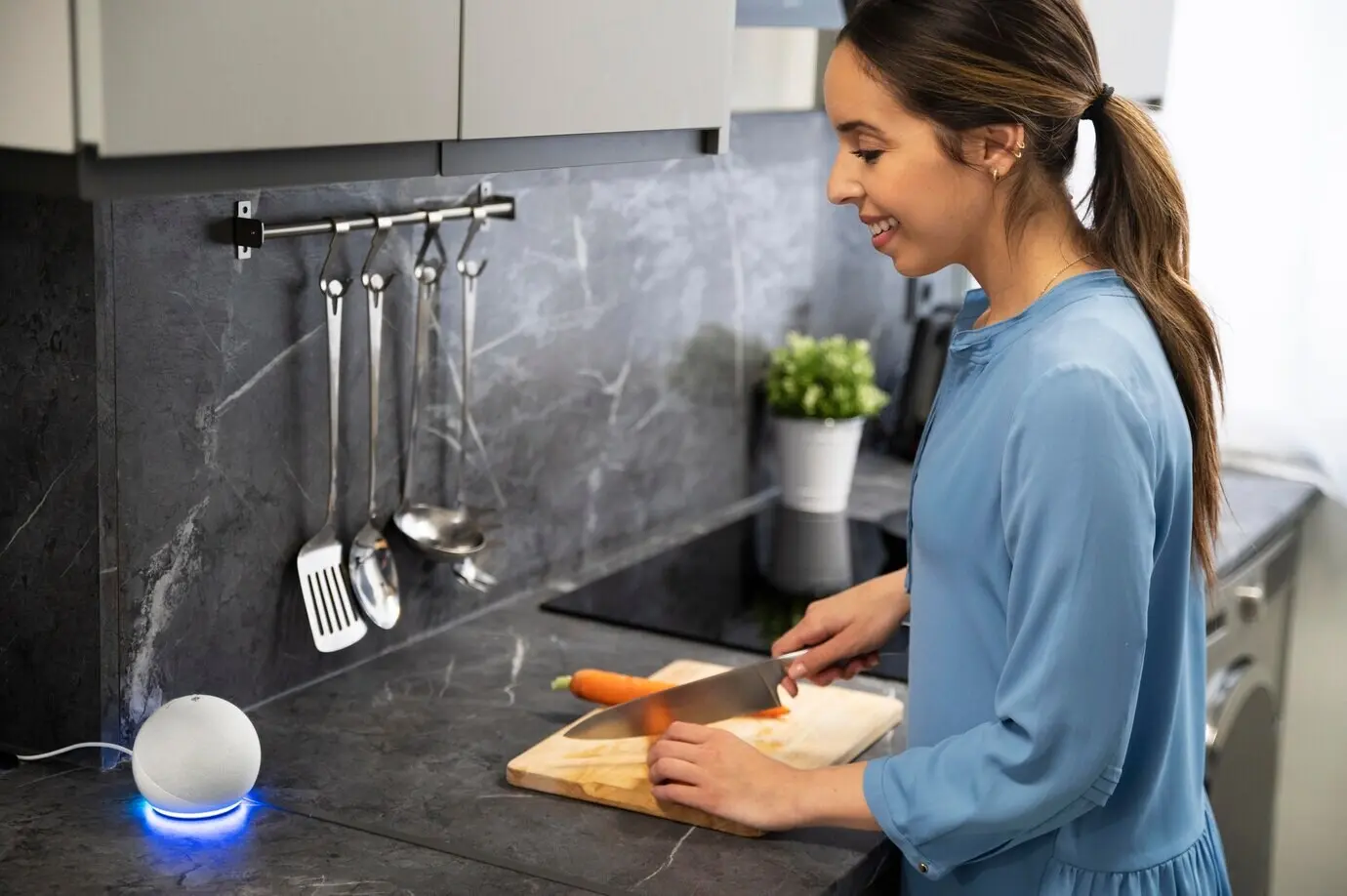
Identify specific outcomes, like reinforcing fractions, practicing reading fluency, or exploring basic astronomy. Tie each outcome to measurable moments inside the experience, such as correct responses, reflective questions, or micro-challenges. Clear outcomes shape prompts, pacing, and rewards, ensuring sessions feel purposeful, satisfying, and aligned with how children naturally play, explore, and celebrate small wins.
Voice excels when hands are busy or attention shifts frequently. Pick scenarios that benefit from spoken guidance, quick feedback, and imaginative play, like scavenger hunts, storytelling branches, or rapid-fire practice rounds. Avoid tasks that require heavy visuals or long attention spans. The right scenario turns simple interactions into captivating learning, encouraging repetition without fatigue or frustration.

Sketch conversation flows with entry points, sample utterances, confirmations, hints, and exits. Include error states, timeouts, and graceful re-entry paths. Visual maps expose gaps early, reveal where boredom could creep in, and highlight opportunities for surprise moments. With a solid map, implementation becomes smoother, testing becomes sharper, and updates remain consistent as the experience evolves.

Collect only what is essential for functionality and learning insights. Never store sensitive details about children. Explain data use plainly and offer easy deletion paths. Audit logs for unintended information. Align with COPPA and similar laws in your region. Demonstrating restraint and transparency builds trust and protects families, sustaining long-term engagement without uncomfortable surprises.
Adjust vocabulary, pacing, and content complexity to match developmental stages. Offer optional parental PINs for advanced features and clear summaries of recent activity. Provide a calm exit that encourages breaks, not compulsion. Share guidance for co-play so adults can scaffold learning. Thoughtful controls invite families to return together, confident the experience respects boundaries and supports healthy habits.
Design activities that continue without a screen or constant connectivity, such as listening games or physical scavenger hunts. Support speech clarity, slower responses, and alternative input needs. Consider audio descriptions and consistent sound cues. By honoring diverse abilities and home environments, you reduce friction and open more joyful pathways into learning, practice, and shared family discovery.
Invite families to try your experience in natural settings, observing when they smile, pause, or ask for help. Compare transcripts with your design assumptions. Use short surveys focused on clarity, fun, and perceived learning. Small, frequent playtests beat massive launches, revealing subtle improvements that compound into smoother sessions and stronger educational impact over time.
Review platform guidelines, error messages, and privacy statements. Ensure intents are discoverable, prompts are clear, and fallbacks are helpful. For Alexa, validate certification checklists and metadata. For Google, consider Assistant shortcuts, app links, or routines to reach families. Polished details create trust, better ratings, and easier word-of-mouth, expanding your project’s reach without heavy marketing.