Small changes make a big difference: soft rugs, curtains, and felt boards calm echoes, while strategic furniture placement dampens distractions. A child who struggled to follow directions in a bustling corner often succeeds in a calmer sound pocket. Try testing noise levels at different times of day, and invite children to describe which spaces feel easiest to hear and why.
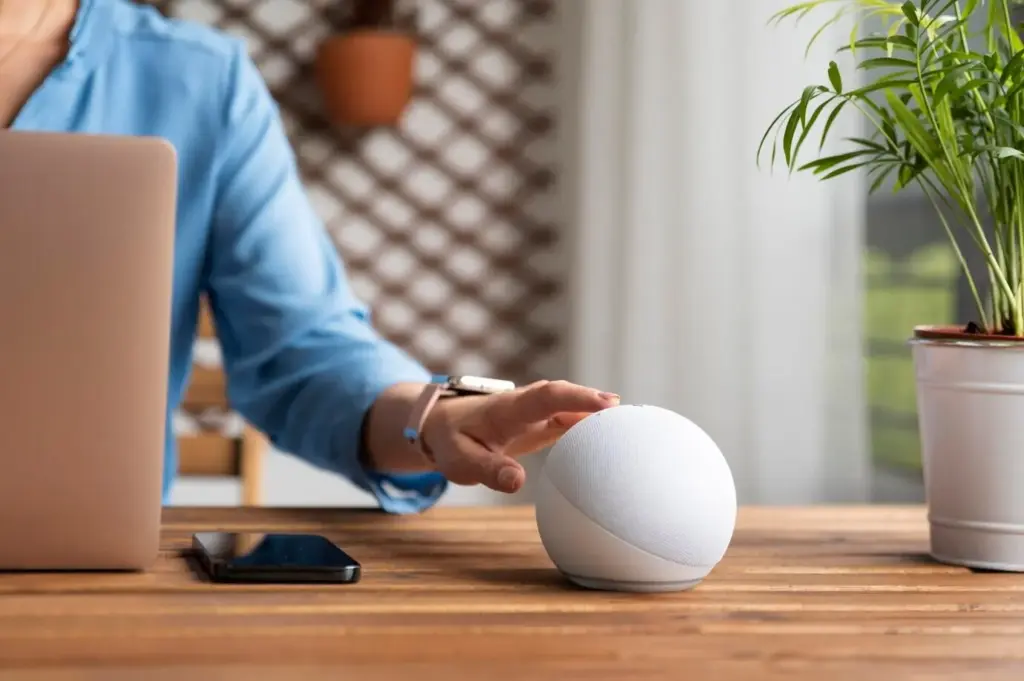
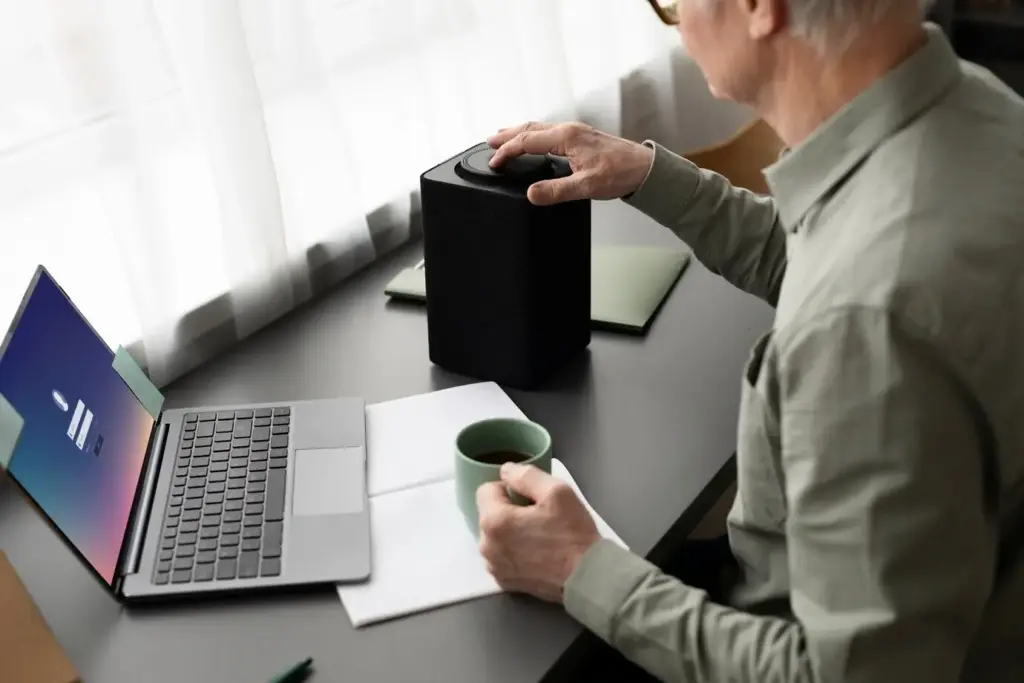
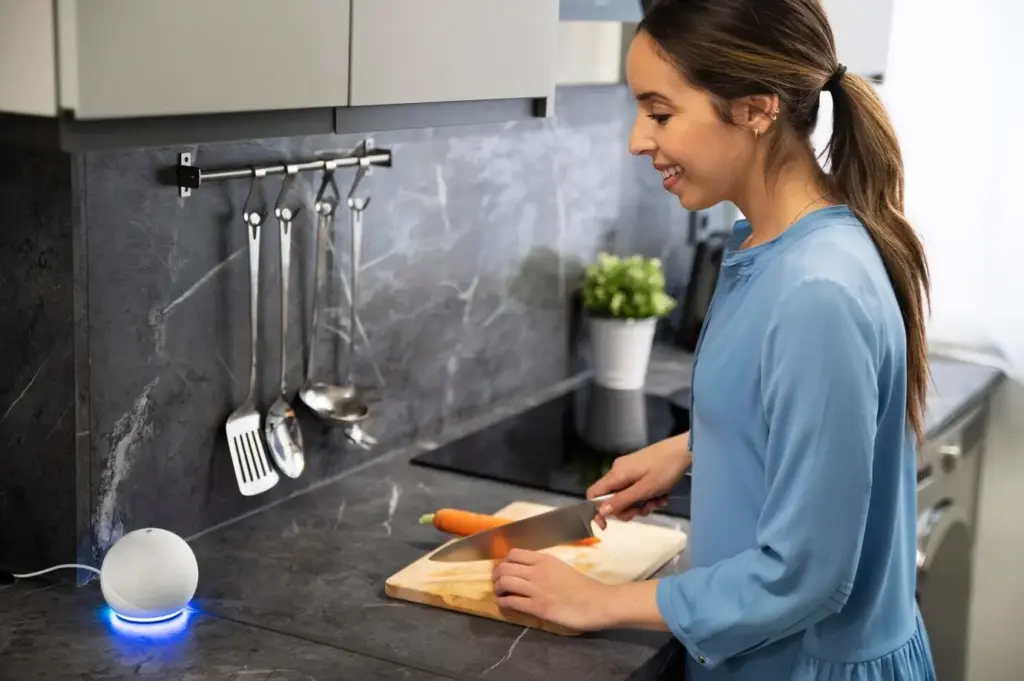
Clear input and output transform comprehension. Place smart speakers away from walls to reduce muffling, and position microphones at mouth level for consistent capture. During a group activity, rotate the speaking device toward the child who is talking. Encourage turn-taking with gentle audio chimes, and use short wake words so children can initiate interactions independently and confidently.
Consistent routines build security, but choice builds agency. Offer voice menus for morning activities, letting a child say, “Start songs,” “Practice letters,” or “Tell a riddle.” Combine spoken prompts with tactile choices, like textured cards representing options. When children choose, they listen more closely, anticipate steps, and associate voice interactions with collaboration, not control.