Hands Busy, Minds Bright
Today we dive into screen-free STEM experiments led by smart speakers, inviting curious hands to mix, build, and measure while voices guide every step. With eyes free from glare, learners collaborate, listen, and question, turning ordinary rooms into laboratories. Join us, try the prompts, share results, and subscribe for fresh, audio-led discoveries each week.
Focus Without Glare
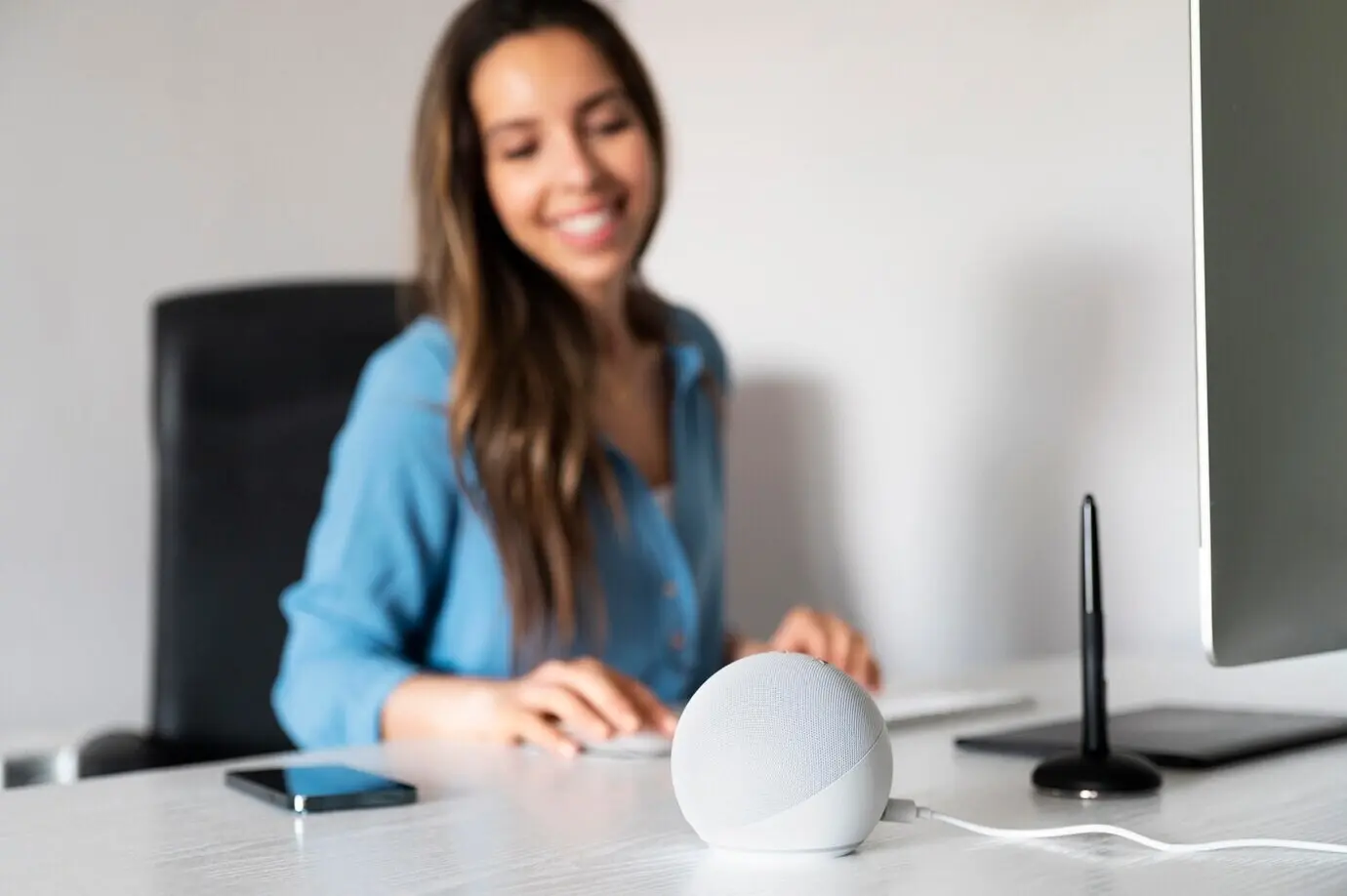
Set a steady rhythm with clear voice prompts that ask for materials, confirm readiness, and count down actions. Eyes watch reactions instead of scrolling. Learners compare sounds, textures, and smells, strengthening observation skills while the assistant repeats, waits, and nudges progress without pressure.
Touch, Sound, and Memory
When hands measure, fold, pour, and tie while hearing concise directions, memory anchors to movement and sound. The result is deeper recall and fewer skipped steps. Repetition becomes musical, and check-ins feel conversational, keeping motivation high even when trials need resetting or patient do-overs.
A Kitchen Volcano That Talks Back
Picture a child measuring vinegar while a friendly voice asks, “Ready for bubbles?” The countdown builds suspense, then the assistant invites observations about gas, volume, and temperature. Laughter breaks tension, mistakes become data, and curiosity grows stronger with every repeatable, well-paced, screenless eruption.
Set the Stage for Safe, Joyful Discovery
Great sessions begin before the first instruction, with materials staged, surfaces protected, and expectations clear. Use the assistant for reminders, timers, and safety cues. Establish roles, name cleanup steps aloud, and build a shared routine that respects tools, time, allergies, and everyone’s comfort level.
Lay out labeled cups, spoons, and trays within reach, then ask the speaker to confirm readiness before proceeding. Waterproof a small area, keep towels nearby, and pre-measure tricky quantities. Clear, friendly prompts reduce clutter, prevent rushing, and help groups move in safe, predictable patterns.
Model microphone etiquette by practicing mute, unmute, and wake words. Keep chemicals labeled, hot sources supervised, and long hair tied back. Review data settings, limit voice purchases, and avoid personal details during recordings. Adults stay present, while the assistant handles timing, pacing, and gentle cautions.
Adjust volume, speed, and language to fit diverse needs, and offer tactile cues for steps. Provide printed icons, sentence starters, and repetition on request. Encourage students to paraphrase aloud, verifying understanding before moving. Include multilingual prompts and clear turn-taking so everyone feels invited and capable.
Experiments That Talk You Through the Magic
Voice-led activities thrive when steps are vivid, paced, and playful. Choose materials you already have, keep measurements reasonable, and let questions lead. The assistant can handle timers, repeat tricky instructions, and spark reflection, while learners handle pouring, building, sketching, and interpreting what actually happens.
Chunk the Steps and Add Pauses
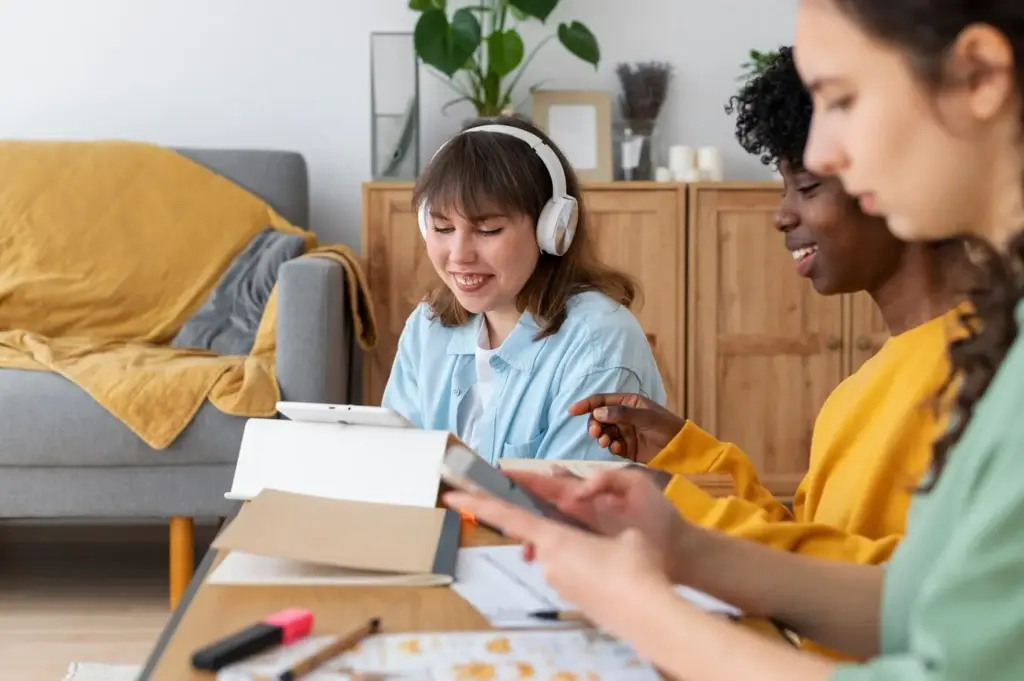
Write micro-steps like, “Pick up the 50 milliliter cup,” then pause. The assistant should ask, “Ready to continue?” before advancing. These breaks protect working memory, invite partners to check each other’s setup, and prevent fast finishers from unintentionally pulling groups ahead too quickly.
Plan for Detours and Missteps
Expect spilled salt, missing tape, and misread numbers. Write friendly recovery lines like, “If your mixture is too thick, add one teaspoon of water and stir five times.” Acknowledge frustration, normalize retries, and keep momentum by signaling exactly how to rejoin the main path.
Celebrate Progress With Playful Audio
Use short stings, cheer lines, or fun facts to mark milestones. Instead of hollow praise, tie feedback to effort and observation: “You timed three trials within one second—excellent consistency.” These moments strengthen identity as investigators, sustaining focus through cleanup, reflection, and revised attempts.
Measuring Learning Through Talk, Touch, and Notebooks
Understanding appears in how learners describe, compare, and justify. Use voice prompts for predictions and explanations, then capture results in notebooks or photo journals taken later. Emphasize process, not perfection, and honor growth across attempts. Check comprehension with quick, low-stakes questions woven naturally into instructions.
Observation Journals With Voice Prompts
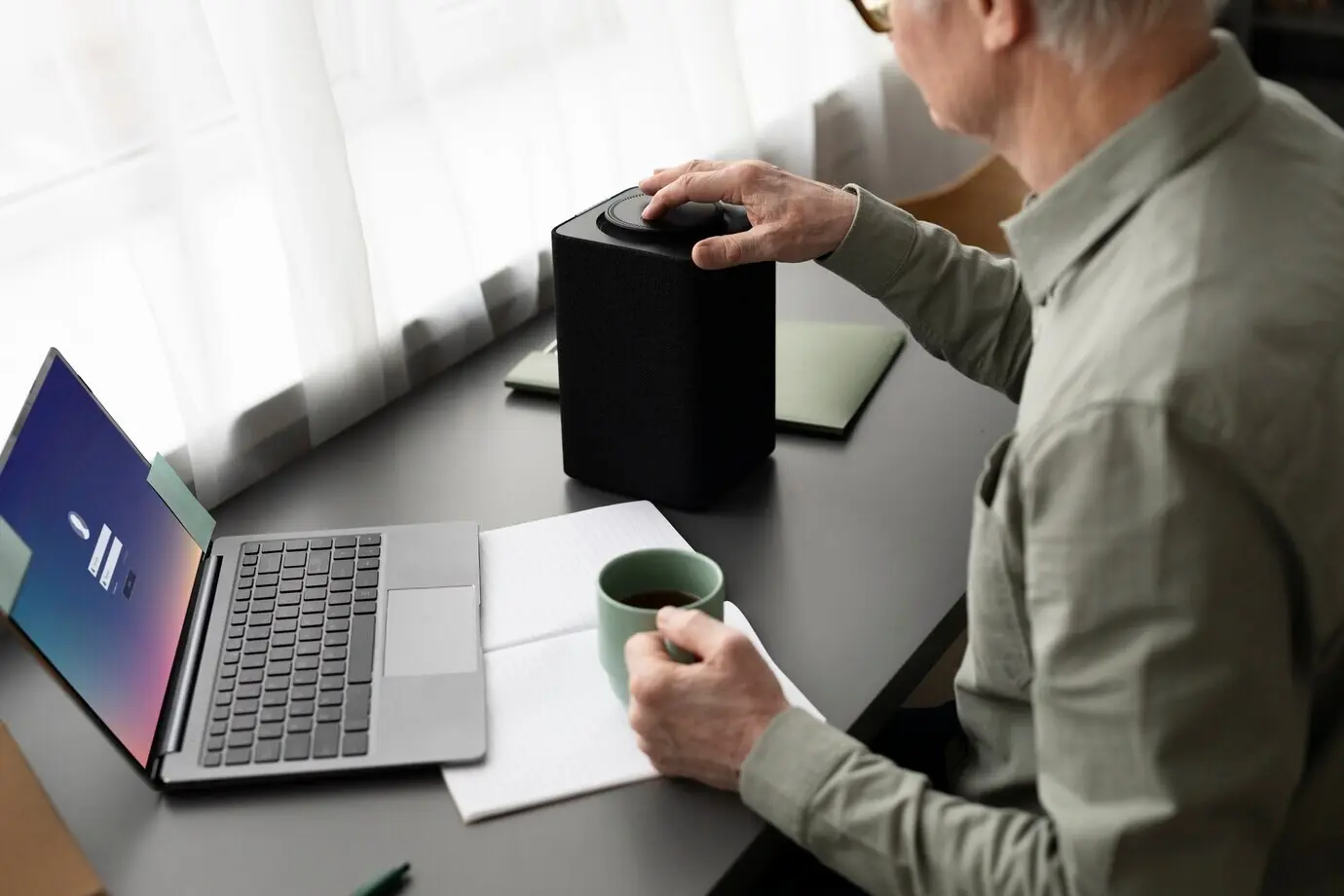
Between steps, the assistant invites notes on smell, color, shape, and change over time. Learners add sketches, simple tables, and short reflections. These records ground claims in evidence and make progress visible, supporting later comparisons and confident retelling to families, peers, or mentors.
Think-Aloud Moments and Checkpoints
Prompt statements like, “I predict the heavier liquid will sink because…,” and follow with a quick why. Use call-and-response to surface reasoning, resolve disagreements kindly, and notice misconceptions early. Speaking ideas aloud strengthens understanding long after the experiment dries, crumbles, dissolves, or sprouts.
Analog Data, Real Insight
Time with a voice countdown, measure lengths with rulers, and tally results on sticky notes. Display charts on the wall, then let the assistant narrate reflection questions. This simple blend of physical records and audio coaching keeps cognitive load manageable while honoring authentic experimentation.
Stations That Run Themselves
Set multiple tables with identical kits while one assistant voice tracks timing and cues cleanup. Students rotate through mechanics, chemistry, and life science, hearing consistent language each time. This structure frees facilitators to coach thinking, not logistics, and keeps energy focused on inquiry.
Weekend Challenges Families Love
Offer voice-led scavenger hunts for forces, patterns, or simple machines around home. Invite families to submit short audio summaries of discoveries, then feature highlights in future prompts. Share your favorite experiment in the comments, subscribe for updates, and help shape next week’s playful investigations together.
Map Activities to Standards
Connect each experiment to disciplinary core ideas and practices by naming the relationships you want students to see. Use precise vocabulary, emphasize evidence, and revisit concepts across contexts. Voice prompts can remind everyone which practice they are exercising, strengthening coherence without adding paperwork or screens.